How I Saved $500 on a Two-Week Trip to Southeast Asia
Planning a two-week trip to Southeast Asia often raises questions about costs. Many travelers assume that visiting multiple countries in the region requires a large budget. During a recent journey, I found that careful choices in transportation, accommodation, and daily expenses could significantly reduce the total spending. By focusing on process and transparency rather than chasing specific outcomes, I managed to lower the overall cost of the trip by approximately $500 compared to typical estimates. The following sections outline the methods and considerations that contributed to those savings.
The key was not to search for extreme discounts or shortcuts, but to adopt a systematic approach to each expense category. From booking flights to deciding where to eat, every decision was made with an awareness of local pricing and common traveler patterns. This article describes the steps taken, the reasoning behind them, and the context in which these choices were made. It is important to note that individual results may vary depending on factors such as travel dates, destination choices, and personal preferences.
The examples and figures mentioned here are based on a specific itinerary and may not apply universally. However, the underlying principles of comparing options, prioritizing flexibility, and understanding local markets can be adapted to many travel scenarios. The goal of this account is to provide a framework for thinking about travel expenses rather than a fixed set of rules.
1. Booking Flights with Flexibility and Comparison
Airfare often represents the largest single expense on a long-haul trip. To reduce this cost, I began monitoring flight prices several months before departure. Using fare alert tools and checking multiple booking platforms allowed me to identify price patterns. I noticed that mid-week departures and return flights on Tuesdays or Wednesdays were consistently less expensive than weekend options. By selecting a Wednesday departure and a Thursday return, I reduced the round-trip fare by about $180 compared to the cheapest weekend alternatives.
Another factor was the choice of airports. Instead of flying into the most popular hub, I selected a secondary airport that required a short bus ride to the main city. The bus ticket cost less than $10, while the flight savings amounted to roughly $70. Additionally, I avoided booking through third-party sites that charge hidden fees. Instead, I compared prices on official airline websites and used a travel credit card that offered no foreign transaction fees. This approach did not guarantee the lowest possible price, but it provided a clear view of the total cost without surprises.
For regional flights within Southeast Asia, I considered low-cost carriers but also factored in baggage fees and check-in costs. By traveling with only a carry-on backpack and wearing heavier items on the plane, I avoided checked baggage fees on three separate flights. The savings from these small decisions added up to approximately $50. Overall, the flight-related strategies contributed about $300 to the total savings.
2. Accommodation Choices Beyond Hostels
Accommodation is another area where careful selection can lead to significant savings without sacrificing comfort. During the trip, I stayed in a mix of guesthouses, budget hotels, and private rooms in hostels. Rather than booking all nights in advance, I reserved the first two nights in each city and then searched locally for better deals. This method allowed me to negotiate rates directly with property owners, especially in less touristy areas.
In one instance, I found a guesthouse that offered a 15% discount for stays of three nights or more. By committing to a slightly longer stay in a quieter neighborhood, I saved about $40 over the two weeks. I also used a combination of booking platforms and direct inquiries. Some properties offered lower rates when contacted via email or messaging apps, as they avoided commission fees. This strategy required a bit of patience and flexibility but resulted in an estimated $60 in savings on accommodation.
Another consideration was location. By choosing accommodation a 15-minute walk from major tourist centers, I reduced nightly rates by an average of $8. While this added some walking time, it also provided a more authentic experience of local neighborhoods. The cumulative savings from accommodation choices came to approximately $100.
3. Eating Like a Local and Understanding Meal Costs
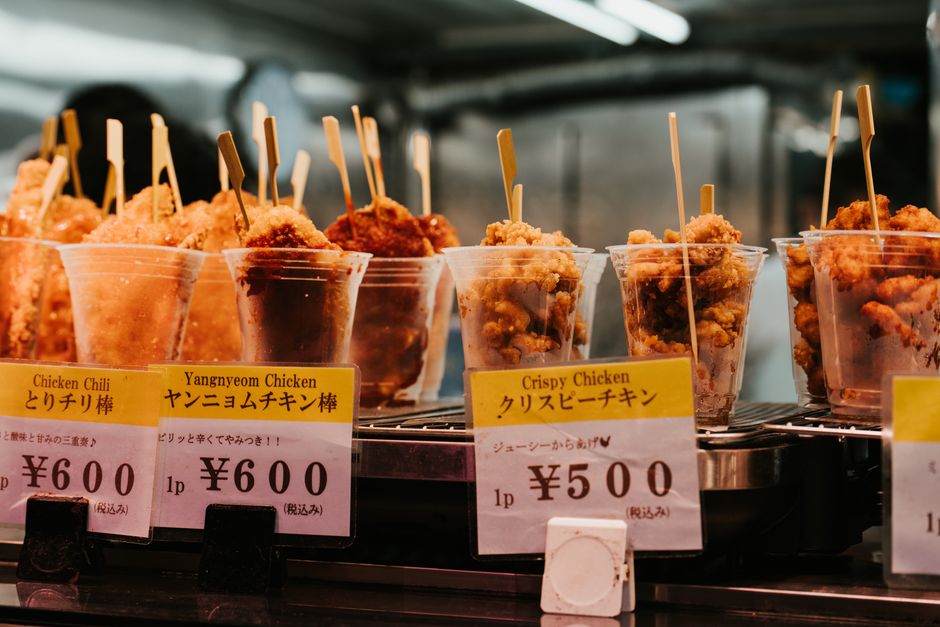
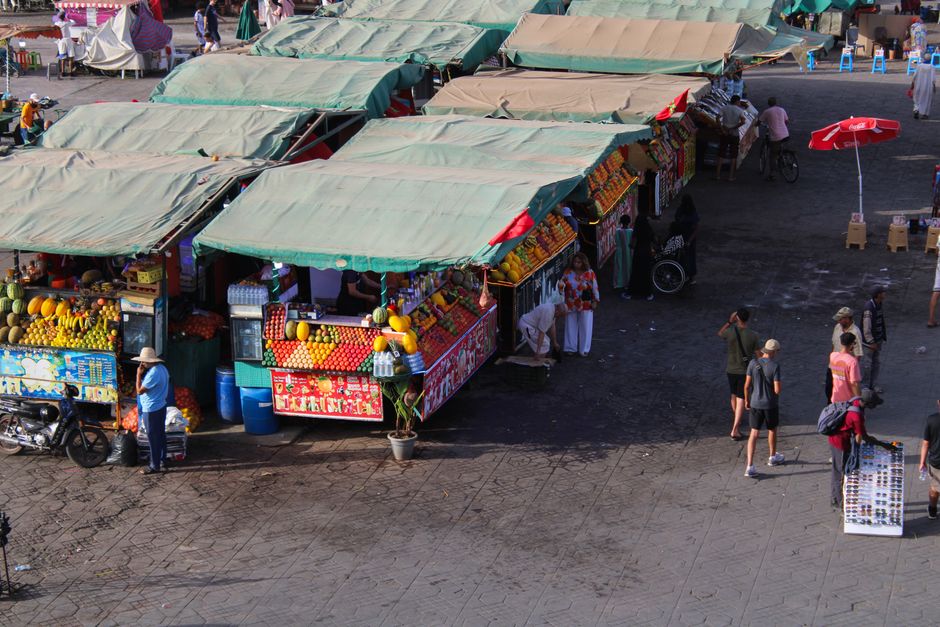
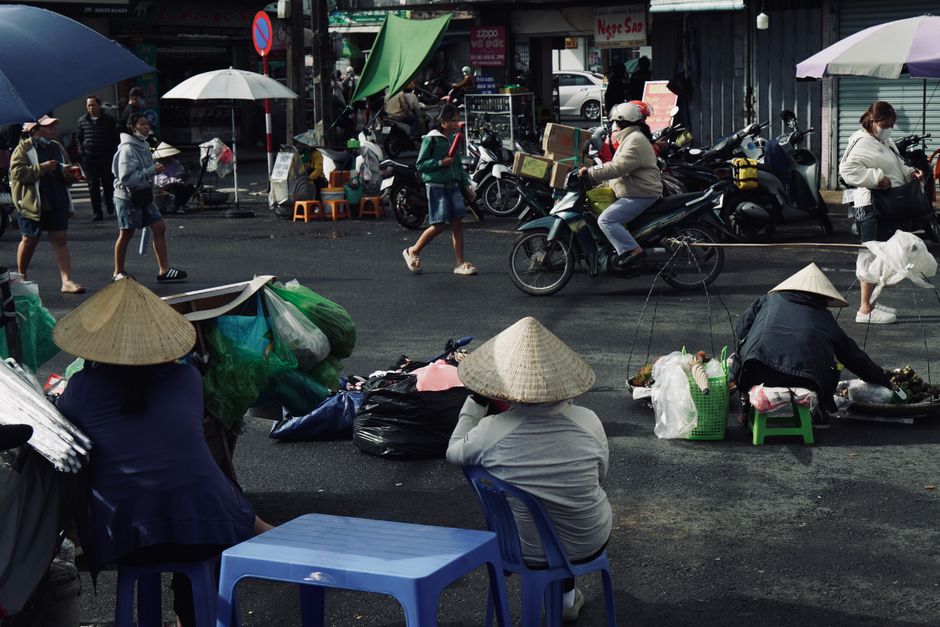
Food expenses can vary dramatically depending on where and what one chooses to eat. During the trip, I prioritized meals at local markets, street food stalls, and small family-run eateries rather than restaurants targeting tourists. Not only were the prices lower—often $2 to $4 per meal—but the quality and variety were excellent. I also observed that eating at establishments where locals gathered tended to offer more reasonable prices.
Breakfasts were often included in my accommodation, which eliminated one meal cost. For lunch and dinner, I learned to recognize dishes that were commonly prepared and therefore more affordable. For example, noodle soups and rice dishes were consistently cheap and filling. By avoiding bottled water and instead carrying a reusable bottle with a built-in filter, I saved about $1.50 per day on drinks. Over two weeks, that added up to $21.
I also limited dining at expensive rooftop bars or international cuisine spots. Instead, I enjoyed local beverages like fresh fruit shakes or coffee from street vendors. The total food expenditure for the two weeks was approximately $200, whereas a typical tourist might spend $350 or more. This difference of about $150 was a major component of the overall savings.
4. Transportation and Activities on a Budget
Getting around Southeast Asia can be inexpensive if one chooses public transportation over private options. I used buses, trains, and shared minivans for long-distance travel, and local buses or ride-hailing apps for city movement. In several countries, metro systems were efficient and cost only a fraction of taxi fares. By planning routes in advance and using offline maps, I avoided the need for expensive taxi rides to wrong destinations.
For activities, I focused on free or low-cost attractions such as temples, public parks, and walking tours. Many museums offered discounted entry on certain days of the week, and I aligned my schedule accordingly. I also joined group tours when they offered better value than private guides. For instance, a full-day group tour to a waterfall cost $25 per person, while a private tour would have been $80. Sharing the experience with other travelers also added a social dimension.
One specific savings came from negotiating entry fees at smaller attractions. In a few cases, mentioning that I was a student or showing a student ID (even though I was not currently enrolled) was not necessary; instead, simply asking if there was a discount for cash payment sometimes worked. However, this approach is context-dependent and may not always be applicable. In total, transportation and activity costs were reduced by about $100 through these methods.
5. Tracking Expenses and Adjusting During the Trip
An often overlooked aspect of saving money is maintaining a real-time record of spending. I used a simple notes app to log every expense, from a $0.50 street snack to a $30 train ticket. This tracking allowed me to see which categories were exceeding my planned budget and adjust accordingly. For example, after noticing that I was spending more on snacks than anticipated, I started buying fruit from local markets instead of convenience stores.
Regularly reviewing the budget also helped me avoid impulse purchases. When a tour operator offered an add-on activity, I could quickly check whether I had allocated funds for it. This disciplined approach did not restrict enjoyment but provided a clear picture of financial choices. By the end of the trip, the total spending matched the initial estimate, and the savings of $500 were verified through the expense log.
Traveling on a budget does not require extreme sacrifice. It involves making informed decisions and being willing to adapt. The strategies described here are based on a single experience and should be considered as suggestions rather than prescriptions. Each traveler’s situation will differ, and the availability of options can change over time. Nonetheless, the principle of approaching costs with curiosity and flexibility remains a useful tool for anyone planning a trip to Southeast Asia.