How to Explore Tokyo on a Shoestring Budget
Tokyo often carries a reputation as one of the world’s most expensive cities. While certain aspects of travel in the Japanese capital can indeed be costly, a well-planned trip can reveal a side of the city that is surprisingly accessible for those watching their expenses. Understanding how to allocate resources wisely and knowing where to look for value are essential skills for any traveler aiming to experience Tokyo’s vibrant culture, cuisine, and neighborhoods without overspending.
The key lies not in avoiding experiences, but in choosing the right ones. Free public spaces, affordable meal options, and sensible accommodation choices form the foundation of a budget-conscious itinerary. By focusing on what the city offers naturally—its parks, temples, markets, and local dining scenes—anyone can craft a memorable visit that respects both the destination and their wallet. The following sections outline practical approaches to navigating Tokyo’s highlights while keeping costs managed.
Free and Low-Cost Attractions
Tokyo is home to a wealth of attractions that require no admission fee. Parks and gardens such as Shinjuku Gyoen National Garden, Yoyogi Park, and Ueno Park offer peaceful retreats with cherry blossoms, historical monuments, and open spaces for relaxation. Temples and shrines, including Meiji Jingu, Senso-ji in Asakusa, and the many smaller neighborhood sanctuaries, are generally open to visitors free of charge, though donations are appreciated.
Observation decks provide panoramic views without a premium price tag. The Tokyo Metropolitan Government Building in Shinjuku offers a free observatory on its 45th floor, with sightlines toward Mount Fuji on clear days. Similarly, the rooftop garden at the Kitte building near Tokyo Station is open to the public at no cost. Walking tours through historic districts like Yanaka, Kagurazaka, or the old merchant streets of Nihonbashi can be self-guided using online maps or free audio guides from local tourism offices.
Museums and galleries sometimes offer free entry on certain days. The National Museum of Modern Art, the Tokyo Photographic Art Museum, and several smaller venues have reduced or waived admission for students or during special promotions. Checking the official websites of attractions before visiting helps identify these opportunities. Seasonal events, such as festivals and street markets, also provide free entertainment and a chance to see local traditions up close.
Affordable Accommodation Options
Deciding where to stay plays a significant role in managing overall trip costs. Neighborhoods like Asakusa, Ueno, and Ikebukuro offer a range of budget-friendly lodging options, including capsule hotels, hostels, and guesthouses. Capsule hotels provide a compact sleeping pod with shared facilities, often including a lounge area and lockers. Hostels in Tokyo typically offer dormitory beds and private rooms, with common kitchens and social spaces that allow travelers to prepare simple meals and share tips.
Business hotels, such as those in the Toyoko Inn or APA Hotel chains, provide clean, no-frills private rooms at rates lower than upscale properties. Booking early and considering weekday stays can further reduce accommodation costs. Many budget hotels include free breakfast, a useful perk for saving on morning meals. For those comfortable with short-term rentals, platforms like Airbnb or local shared-apartment services offer rooms or entire apartments in residential areas, often with access to cooking facilities.
Hostel dormitory beds can be found for as low as 2,000 to 4,000 yen per night, while private rooms in budget hotels usually range from 5,000 to 8,000 yen. Location matters—staying a few train stops away from central districts like Ginza or Shibuya can lower rates substantially while still providing convenient public transport connections. Checking reviews for cleanliness and security is advisable before booking.
Eating Well on a Budget
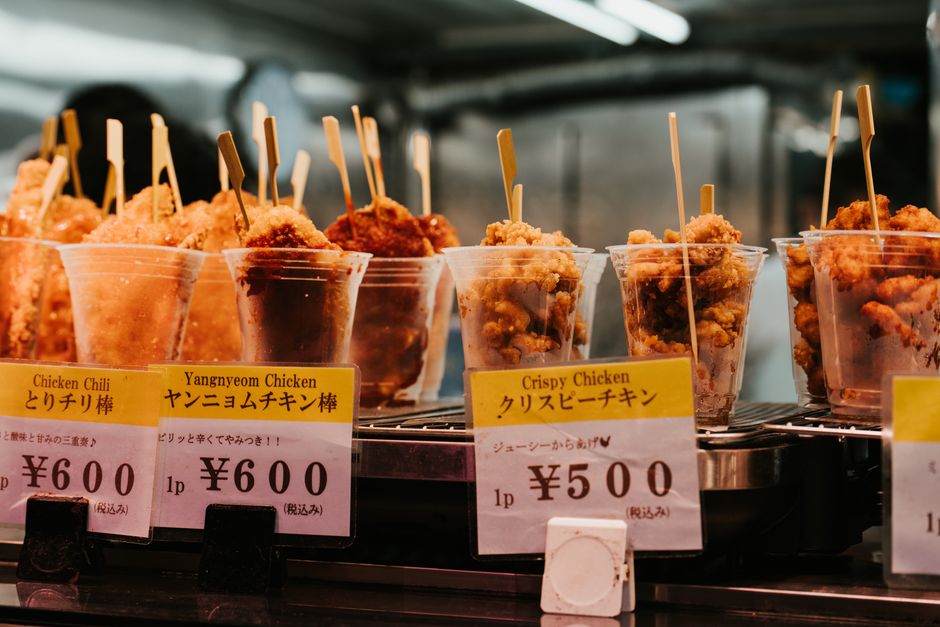
Food in Tokyo does not have to be expensive. Convenience stores, known as konbini, offer a wide selection of affordable meals including onigiri (rice balls), bento boxes, sandwiches, and salads for under 500 yen. They also serve hot food like fried chicken and nikuman (steamed buns). Many travelers rely on konbini for quick breakfasts or light lunches, freeing up the budget for a nicer dinner experience.
Chain restaurants such as Yoshinoya, Matsuya, and Sukiya specialize in gyudon (beef bowls) and other set meals at very low prices. A filling bowl costs around 300 to 500 yen. Ramen shops throughout the city serve steaming bowls of noodles starting at about 600 yen. Conveyor belt sushi (kaitenzushi) establishments like Kappa Sushi or Hamazushi offer plates priced from 100 to 300 yen, allowing diners to control their spending. Curry rice, yakisoba, and okonomiyaki are also common budget-friendly options.
To avoid paying extra, visitors can eat at shops that display clear pricing outside. Lunch specials (teishoku) often provide a balanced meal with rice, soup, and a main dish for a fraction of the evening cost. Street food at markets like Ameyoko in Ueno or Nakamise-dori in Asakusa allows sampling without committing to a full plate. Drinking tap water in Tokyo is safe and free, saving the expense of bottled beverages. Many parks and public buildings have water fountains.
Getting Around Tokyo Cheaply
Tokyo’s public transportation network is extensive, efficient, and reasonably priced when used strategically. The easiest way to pay is with a rechargeable IC card such as Suica or Pasmo, which can be purchased and topped up at any station. These cards are valid across almost all train, subway, and bus lines, eliminating the need to buy individual tickets. For travelers staying within central Tokyo, the Tokyo Metro 24-hour, 48-hour, or 72-hour passes offer unlimited rides on the Toei Subway and Tokyo Metro lines, starting at 800 yen for 24 hours.
Walking is another cost-effective method for exploring compact neighborhoods. Many of the most interesting parts of the city, such as Harajuku, Shibuya, Shinjuku, and Asakusa, are best experienced on foot. Combining walking with short train trips minimizes transport costs while allowing spontaneous discoveries. For longer distances, the Japan Rail (JR) lines offer the Yamanote Loop that connects major hubs; a single trip typically costs 150 to 300 yen.
Planning routes in advance using apps like Google Maps or Hyperdia helps avoid unnecessary transfers and identifies fare-efficient paths. Late-night travel can be more expensive due to limited service and the need for taxis, so aligning activities with regular operating hours keeps costs predictable. For those arriving at Narita or Haneda airports, airport limousine buses or the Keisei Skyliner offer reasonable fares compared to taxis, but the cheapest airport access is via local trains, though they take longer.
Practical Strategies for Stretching Your Yen
Several general habits can help maintain a budget throughout a Tokyo trip. Visiting during shoulder seasons like late spring or early winter often results in lower accommodation and flight prices, as well as fewer crowds at major attractions. Using a prepaid travel card or withdrawing cash at 7-Eleven ATMs (which charge minimal fees) avoids unfavorable exchange rates at airport kiosks. Many shops, especially in discount stores like Don Quijote, offer tax-free shopping for tourists with valid passports, reducing costs on souvenirs and essentials.
Leveraging free Wi-Fi hotspots (available in most train stations, convenience stores, and cafes) eliminates the need for expensive roaming data. Several apps, such as Tokyo Free Wi-Fi, provide maps of accessible points. Engaging in free activities like people-watching in Shibuya Crossing, visiting the Tsukiji outer market without buying anything, or spending an afternoon at the Mori Art Museum’s free areas can enrich the trip without additional spending. Ultimately, the most memorable experiences in Tokyo often come from simply immersing oneself in the rhythm of the city—wandering through side streets, discovering hidden gardens, and observing daily life—all of which require no fee at all.